
In recent years, with the continuously growing speciality coffee scene and constant reimagination of pours and processes, the coffee industry has become a bit more confusing. Part of Volcano’s mission is to reframe how we talk about speciality coffee, so it can be enjoyed and better understood without overcomplicating it. That starts with building an understanding of flavour from the ground up.
Understanding the difference between espresso and filter coffee is a useful first step towards choosing the right beans and finding your new favourite. In principle, espresso is brewed quickly under pressure, creating a small, concentrated coffee with a rich body. Filter coffee is brewed more slowly, producing a longer cup with a lighter body and greater flavour clarity.
Espresso
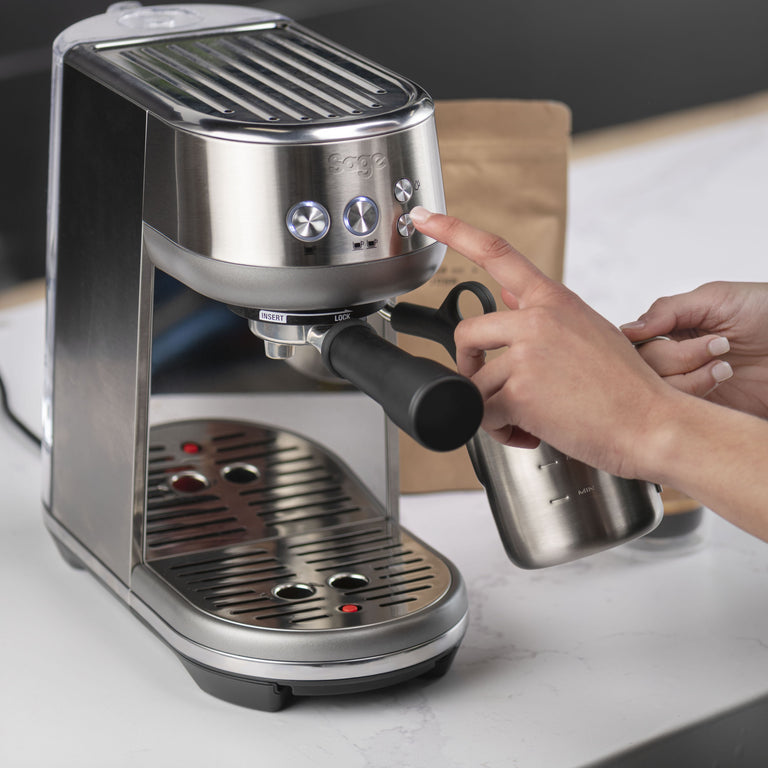
Espresso is a small, concentrated coffee and the base of drinks such as flat whites, lattes and americanos. It typically has an intense flavour, a rich body and a layer of crema on top. However, a well-made espresso shouldn’t simply taste strong or bitter. Depending on the beans, it can also be sweet, fruity or chocolatey.
Filter
Filter coffee produces a longer drink with a cleaner texture and greater flavour clarity. Brewing methods such as V60, Chemex and batch brew can make it easier to notice the more delicate characteristics of a coffee, from fruity and floral notes to sweetness and acidity.
Difference At A Glance
Brewing method
Espresso: Hot water is forced through finely ground coffee under pressure.
Filter: Water passes through ground coffee more slowly, usually using gravity.
Grind size
Espresso: Fine.
Filter: Medium to coarse, depending on the brewing method.
Brewing time
Espresso: Usually around 25–30 seconds.
Filter: Usually between 2–5 minutes.
Serving size
Espresso: A small, concentrated drink.
Filter: A longer cup designed to be enjoyed more slowly.
Espresso vs Filter Coffee: Quick Questions & Answers
Does espresso have more caffeine than filter coffee?
Not always. Espresso contains more caffeine per millilitre and usually tastes stronger because it is more concentrated. However, filter coffee is brewed for longer and served in a larger volume, so a full cup will often contain more caffeine overall.
This means your usual cup of batch brew may contain more caffeine than an Americano made with one or two shots. Adding water to an Americano changes how strong it tastes, but not how much caffeine it contains.
Are espresso and filter coffee beans different?
Not necessarily. There is no separate type of bean called an “espresso bean”. The same coffee can be brewed as espresso or filter, although its roast profile may make it better suited to a particular method. You’ll simply need to adjust the grind size and recipe.
Is espresso supposed to taste bitter?
No. A well-made espresso can be sweet, fruity, chocolatey or nutty. Excessive bitterness can be caused by the coffee, grind size, brewing time or extraction.
Is filter coffee weaker than espresso?
Filter coffee is less concentrated, but that doesn’t mean it has less flavour. Its lighter texture can make the individual characteristics of the coffee easier to recognise.
Can you make espresso without an espresso machine?
True espresso requires pressure. It is usually made with a traditional espresso machine, but manual lever machines and some portable espresso makers can also generate enough pressure to produce espresso.
A moka pot or AeroPress can make a strong, concentrated coffee with an espresso-like character, but technically, it isn’t true espresso.
Which Should I Choose?
The right brewing method depends on how you like to drink your coffee and which flavours you enjoy most.
Choose espresso if you prefer:
- A short, concentrated coffee
- Rich texture and a fuller body
- Flat whites, lattes and other milk-based drinks
- Recreating café-style coffee at home
Choose filter coffee if you prefer:
- A longer black coffee
- A lighter, cleaner texture
- More clarity between individual flavour notes
- A slower and more relaxed brewing method
Neither method is better than the other. They simply bring out different qualities in the coffee. You may prefer chocolatey, full-bodied coffees as espresso and brighter, fruitier coffees as filter, but there are no fixed rules. The best choice is the one that tastes good to you.
Coffee for the Way You Brew
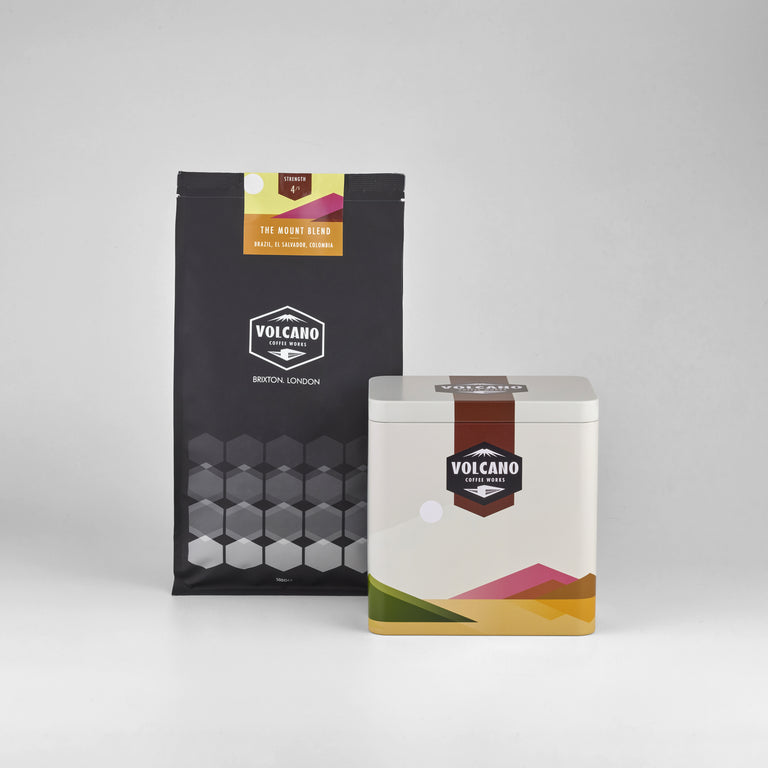
For espresso: The Mount Blend
Our Great Taste Award winner has notes of milk chocolate, caramel and red grapes. Its rich body and subtle sweetness make it a great choice for espresso and milk-based drinks.
For filter: Roaster's Choice
Selected by Head Roaster Claire Wallace, each Roaster’s Choice showcases a distinctive origin and flavour profile. Brew it as filter to bring out the coffee’s individual flavours and character.
Still Not Sure?
Take our Coffee Quiz and find the right coffee for the way you brew.